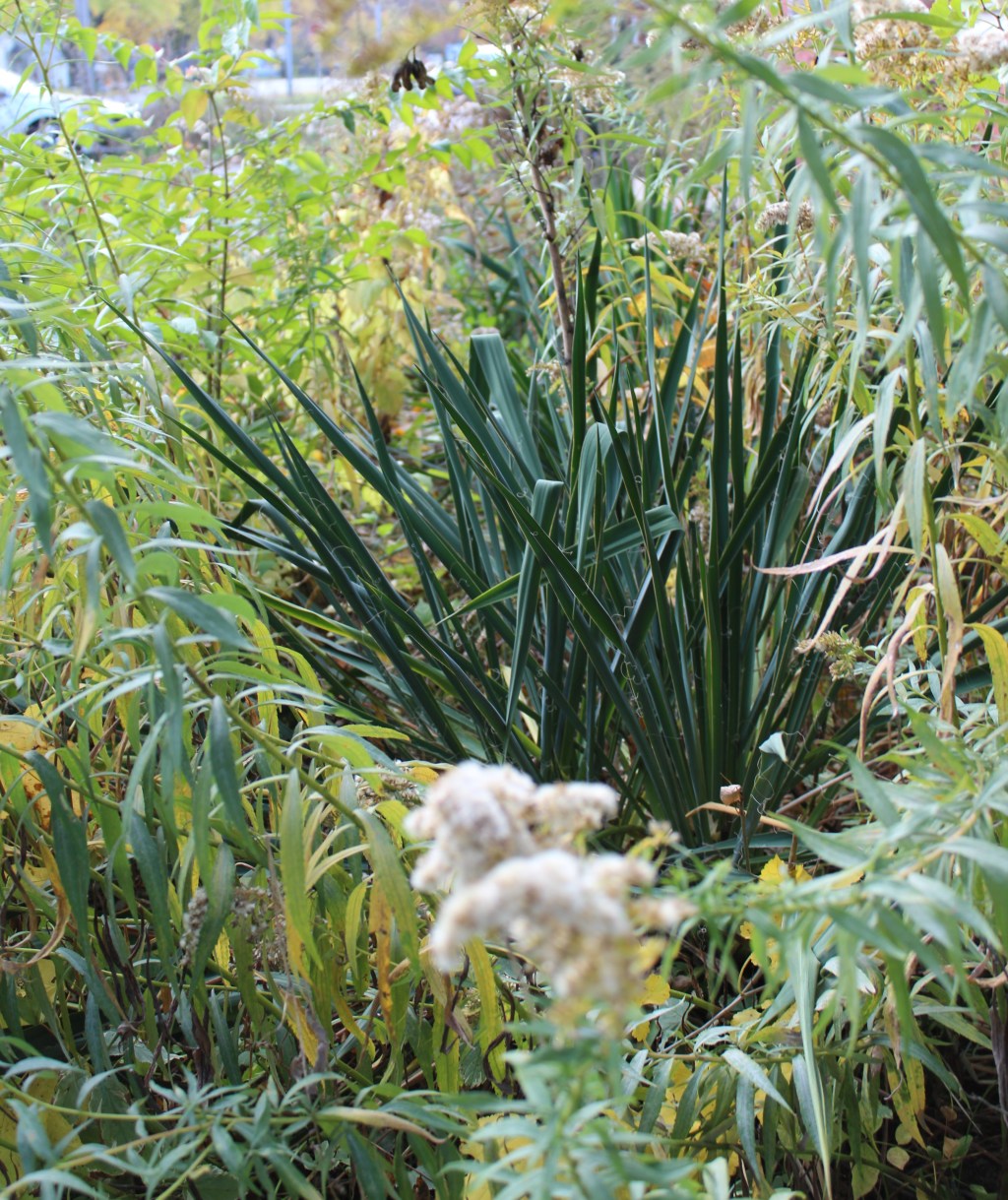
There are mature Yucca plants, called Adam’s Needle, that grow around my house. They aren’t native to Indiana, but they aren’t invasive either. I decided to leave them because the pollinators visit them, and I’ve also observed them to be supportive of wildlife year-round. First I only noticed hummingbirds and flying insects. I am not a gardener by nature and have little experience, so I followed internet advice to cut and discard the stalks after flowering. It was fall before they were cut and right before snow came.
Despite my best friend teasing me, stalks and remaining seed pods were left on the lawn all winter and into late spring, because I was convinced they had a purpose too, until I was forced to mow around the house for the first time, and that meant removing them. This was before the butterfly debacle.
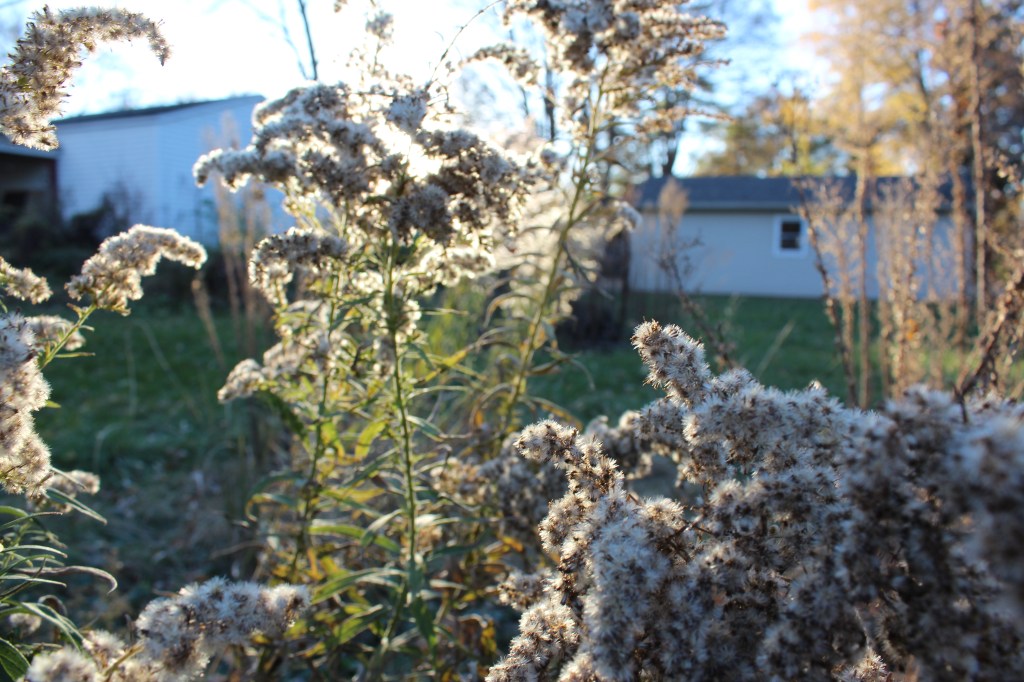
When I gathered up the first handful of stalks, I tossed them into the wheelbarrow I finally bought, and was reaching for more when pinpricks of pain registered in my hands. Teeny tiny ants dotted them and pain increased as I noticed them. Memories of fire and carpenter ants rushed through my mind, and I brushed them off frantically. Thankfully, they turned out to be just mildly itchy later.
Once I had cleared myself of ants, I discovered them crawling all over the dried stalks, harvesting the remains of the plants for food, and perhaps material too. Realization blossomed of why the ants were leaving my house alone despite my wonderfully surprised pest control expert’s insistence that everyone was having ant problems due to the weather warming up. They were looking for food. I had seen ants coming in through cracks in friends’ windows too, so I hadn’t argued. The ants did eventually come trailing in, but only after the stalks were removed and the thistle met its demise.
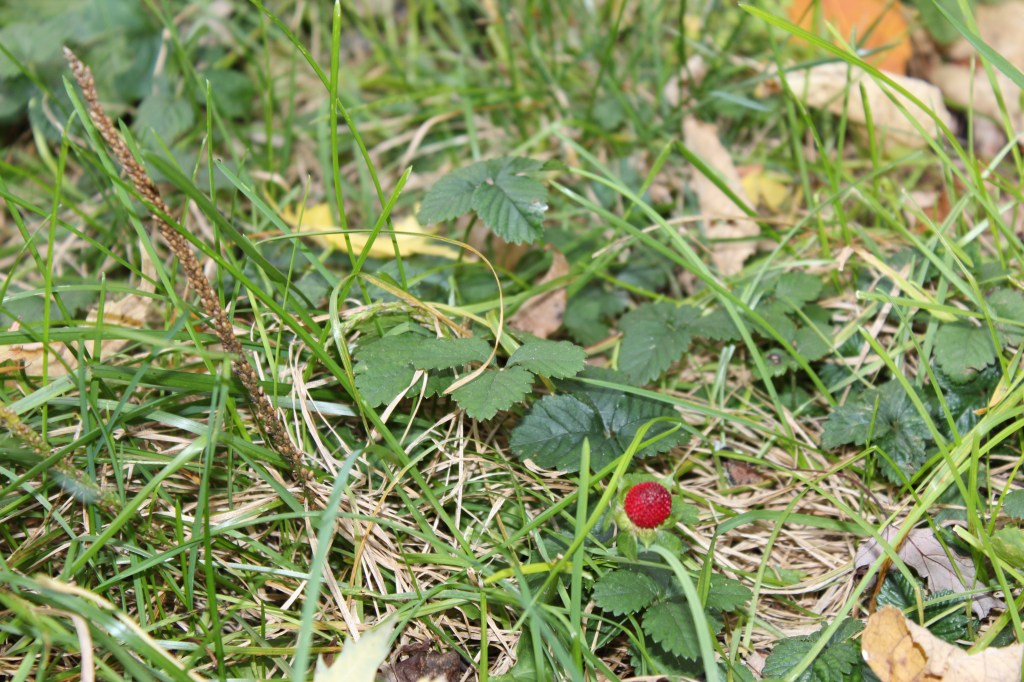
This year, I decided to leave the stalks where they were to provide food for all the critters and crawlies that might also be sustained, whether noticed or not. I arrived home one afternoon around Thanksgiving and heard a rustling sound coming from around my front door. What was odd is it was rhythmic, like someone was tapping on a bundle of cornstalks. I approached slowly, curious to identify the source. At first I saw nothing, but movement caught my eye. Then I saw the top of the Adam’s Needle stalk shake. Feeling like a nature spy, I poked my head up a little higher to earn the rewarding splash of bright red on the back of a red-bellied woodpecker sitting on the stem of a stalk. It tipped its head and pecked at a seed pod again as I watched. I had my camera out and halfway up when it flew off. I sighed and made a mental note to spend some time observing when I can. I’m still unsure if they are eating the seeds or the ants.
A few days later I stepped outside, excited to observe more resident wildlife with high hopes for that woodpecker showing and hit a wall of confusion. The stalks were gone. Dread crept into my stomach instantly, and fear weaseled into my brain as stories of people looking through windows at night ran through my mind. I found myself hoping it had been my neighbor cutting things down when I wasn’t home. I went back inside and began stewing. I threw out the possibility of my neighbor, refusing to believe him capable of it after asking him repeatedly to stop. I imagined ants being so ravenous they devoured the stalks in just days. Finally, I made myself inspect the missing stalks. What I found was a bigger surprise.

As it turns out, yucca plants are edible. The stalks had been snapped off and were half eaten by whatever animal had found the apparently tasty snacks. Furthermore, there were still two baby stalks I had not seen from the edge of the overgrown flower bed, and they were standing proudly amid the other dried wildflowers. The thought of an animal munching on what I let grow made me smile. I finally sat down to write, thankful that I held my emotions in check until I had answers. The power to publish my words online and the potential impact they can have is a responsibility I take seriously.
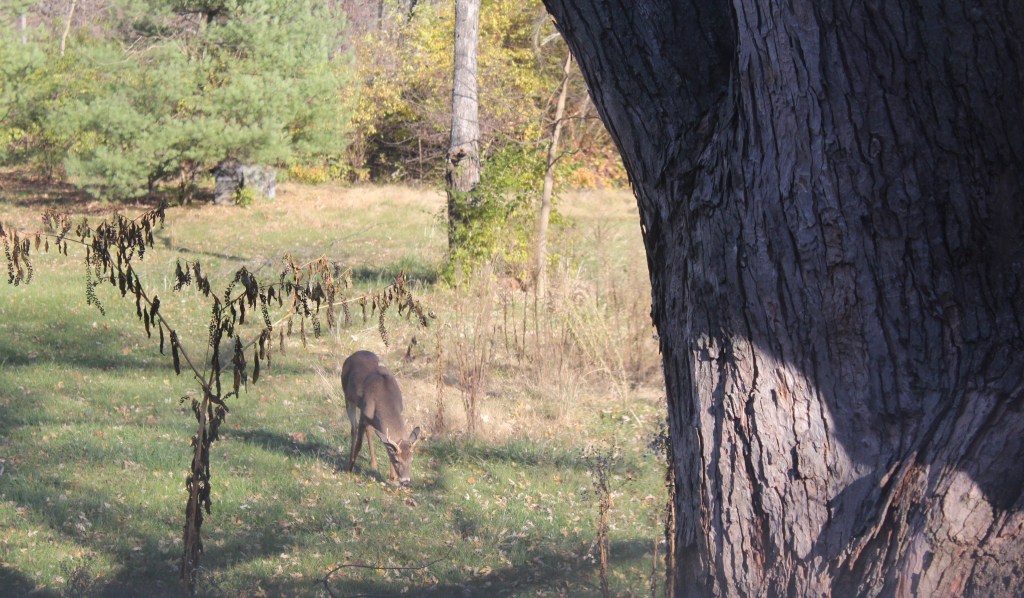
In retrospect, I don’t see the skeletal remains of the season’s growth period as ugly. I see food that sustains biodiverse life and that isn’t ugly.
That’s kindness.
 Re-wild Life Blog
Leave a comment